CLIMATE-RESILIENT FUTURES
Circularity: Turning Crop Residue Into Soil Fertility.
Agri-Sankofa turns processing waste into biochar and returns it to the farms that grew the crop. Every step is recorded so the carbon benefit can be verified.
Agri-Sankofa turns processing waste into biochar and returns it to the farms that grew the crop. Every step is recorded so the carbon benefit can be verified.
Batch records are kept from feedstock to biochar, for carbon verification.
Biochar carbon credits are planned under Puro.earth. Credits will be issued only once registration and verification are complete.
We work with smallholder farmers who grow climate-resilient crops, including cassava, sorghum and millet. We close the loop by turning processing residue into biochar, which is returned to the same farmers to improve their soil for the next harvest.
Residue from our milling and processing is collected at the hub.
A pyrolysis kiln converts residue into biochar.
Biochar is applied to farmers' fields to improve soil water retention and fertility.
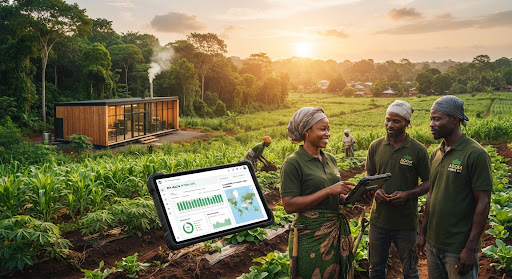
Farmers receive advisory by SMS, in local languages, so planting and harvest decisions are based on information rather than guesswork.
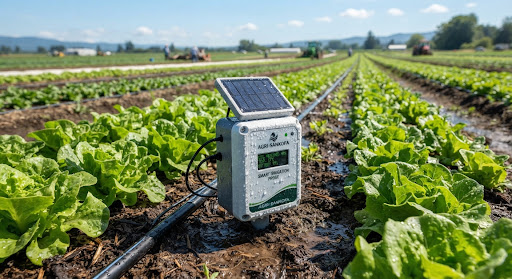
Fair pricing, contract security and shared upside for the 600+ smallholder farmers we work with.
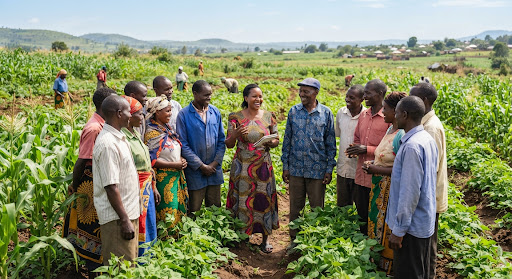
Biochar and resilience advisory are part of our daily operations, not an add-on.
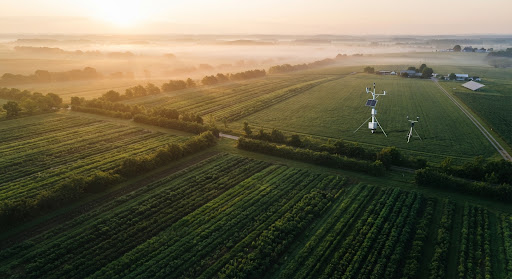
We process indigenous crops into flours and starches, and claims about health are made only once they are substantiated.
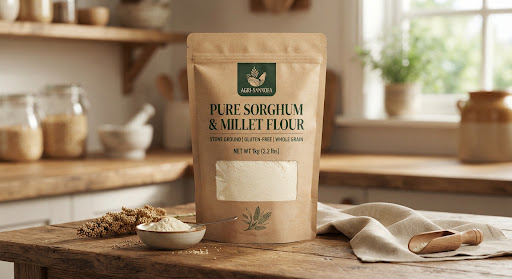
The UN Sustainable Development Goals that our work contributes to.
 SDG 1: No Poverty
 SDG 13: Climate Action
 SDG 2: Zero Hunger
 SDG 8: Decent Work and Economic Growth
 SDG 5: Gender Equality
 SDG 9: Industry, Innovation and Infrastructure
Talk to us about sourcing traceable, certified flour and starch from smallholder farms in Western Kenya, or about biochar for your soil programme.